 Português
Como selecionar as válvulas corretas para estações de bombeamento
As bombas são o equipamento central de uma estação de bombeamento, mas a operação segura e estável a longo prazo não depende apenas da própria bomba.
As válvulas instaladas no sistema de tubulação da estação de bombeamento também têm papel importante na proteção dos equipamentos, no controle do fluxo, no isolamento das linhas e na redução das dificuldades de manutenção.
Diferentes tipos de válvulas cumprem funções diferentes em um sistema de estação de bombeamento. A seleção e a configuração adequadas podem melhorar a confiabilidade operacional e reduzir os custos de manutenção a longo prazo.
Por que as válvulas são importantes em estações de bombeamento?
Durante a operação de uma estação de bombeamento, vários desafios podem ocorrer. Diferentes tipos de válvulas são projetados para resolver esses problemas e garantir desempenho confiável do sistema.
|
Problema da estação de bombeamento |
Equipamento relacionado |
Função principal |
|
Ocorre fluxo reverso após a parada da bomba |
Válvula de retenção |
Protege o impulsor e o motor da bomba ao impedir o refluxo |
|
O equipamento requer manutenção |
Válvula de gaveta / válvula borboleta |
Fecha o fluxo e isola a tubulação para manutenção segura |
|
Isolamento de tubulação de grande diâmetro |
Válvula borboleta |
Fornece fechamento confiável e controle de fluxo |
|
Remoção ou substituição difícil da válvula |
Junta de desmontagem |
Fornece ajuste axial para simplificar a instalação, remoção e substituição da válvula |
Válvulas de retenção: protegem as bombas contra refluxo
As válvulas de retenção são um dos dispositivos de proteção mais importantes em estações de bombeamento. Normalmente são instaladas na linha de descarga da bomba para evitar fluxo reverso após a parada da bomba.
Usando a diferença de pressão do meio ou a força de uma mola interna, o disco da válvula fecha rapidamente quando ocorre refluxo. Isso impede que a água sob alta pressão retorne e atinja o impulsor da bomba, ajudando a evitar rotação reversa da bomba e possíveis danos ao equipamento.
Diferentes tipos de válvulas de retenção têm mecanismos de fechamento e características de desempenho diferentes. A seleção real deve considerar:
- Diâmetro da tubulação
- Vazão e velocidade do fluxo
- Risco de golpe de aríete
- Espaço de instalação
- Requisitos operacionais do sistema
Tipos comuns de válvulas de retenção usadas em estações de bombeamento
1. Válvula de retenção portinhola
Aplicações adequadas:
Grandes estações de bombeamento tradicionais, estações de abastecimento municipal de água, estações de tratamento de água e tubulações de água de grande diâmetro e longa distância.
Principais vantagens:
Baixa perda de pressão, adequada para tubulações de grande diâmetro, estrutura simples e alta confiabilidade operacional a longo prazo.
Considerações:
Devido ao curso relativamente longo do disco, a velocidade de fechamento é menor em comparação com outros tipos de válvula de retenção. Em sistemas de alta velocidade ou aplicações sensíveis ao golpe de aríete, as condições reais de operação devem ser avaliadas cuidadosamente antes da seleção.

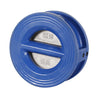
2. Válvula de retenção de dupla portinhola
Aplicações adequadas:
Estações de bombeamento de reforço, sistemas de bombeamento HVAC, sistemas industriais de água de resfriamento e outras aplicações em que o espaço de instalação é limitado ou há partidas e paradas frequentes.
Principais vantagens:
Projeto compacto, construção leve, resposta de fechamento rápida e menor risco de golpe de aríete.
Considerações:
A resistência ao fluxo das válvulas de retenção de dupla portinhola é ligeiramente maior do que a das válvulas portinhola. Como utilizam dois discos e fechamento assistido por molas, não são recomendadas para sistemas de esgoto ou efluentes com partículas sólidas grandes, pois detritos podem bloquear os discos ou causar operação inadequada.

3. Válvula de retenção de disco basculante
Aplicações adequadas:
Projetos de adução de água em grande escala, sistemas de transferência de água bruta e estações de bombeamento extragrandes com diâmetros acima de DN1000.
Principais vantagens:
Projeto de passagem suave, baixa perda de carga e possibilidade de equipar com amortecedores hidráulicos ou sistemas de contrapeso conforme os requisitos do projeto.
Considerações:
Maior custo de fabricação, e o processo de instalação e comissionamento pode exigir orientação profissional.

Como selecionar uma válvula de retenção para uma estação de bombeamento?
|
Condição operacional |
Válvula de retenção recomendada |
Motivo |
|
Estações de bombeamento padrão com operação estável |
Válvula de retenção portinhola |
Projeto comprovado, baixa resistência ao fluxo, econômico e confiável |
|
Sistemas de adução de água de grande diâmetro |
Válvula de retenção portinhola / válvula de disco basculante |
Adequada para aplicações de alta vazão |
|
Espaço de instalação limitado |
Válvula de retenção de dupla portinhola |
Projeto compacto e menor comprimento face a face |
|
Sistemas de bombeamento com ciclos frequentes de partida e parada |
Válvula de retenção de dupla portinhola |
Resposta de fechamento rápida |
|
Sistemas sensíveis ao golpe de aríete |
Válvula de retenção de dupla portinhola / válvula de disco basculante |
Ajuda a reduzir picos de pressão |
|
Projetos de grande escala acima de DN1000 |
Válvula de retenção de disco basculante |
Pode ser equipada com sistemas de amortecimento hidráulico |
Válvulas borboleta: isolamento de grande diâmetro para estações de bombeamento
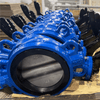
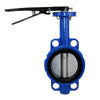
Em sistemas de estações de bombeamento, as válvulas borboleta são usadas principalmente para isolamento de tubulações e controle de fluxo. São frequentemente instaladas em linhas de descarga de bombas ou em tubulações de adução de grande diâmetro.
Para aplicações de grande diâmetro (DN300 e acima), como abastecimento municipal de água, tratamento de efluentes e sistemas de transferência de água bruta, as válvulas borboleta oferecem várias vantagens em relação às válvulas de gaveta tradicionais:
- Projeto compacto
- Menor peso
- Operação fácil
- Vantagens significativas de custo em aplicações de grande diâmetro
Os tipos comuns incluem:
-
Válvula borboleta dupla flangeada
Adequada para conexões de tubulações de grande diâmetro, oferecendo excelente estabilidade e resistência à pressão. -
Válvula borboleta dupla excêntrica
Usa um disco excêntrico para reduzir o desgaste da vedação e aumentar a vida útil, sendo adequada para sistemas que exigem maior confiabilidade e desempenho a longo prazo.

Válvulas de gaveta: isolamento confiável durante a manutenção
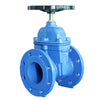
Em sistemas de estações de bombeamento, as válvulas de gaveta são usadas principalmente para o bloqueio completo da tubulação, garantindo que bombas, válvulas e outros equipamentos a jusante possam ser mantidos com segurança após a drenagem da linha.
As válvulas de gaveta com assento resiliente são comumente usadas em estações de bombeamento de sistemas de água. Suas principais características incluem:
- Projeto de passagem plena
- Baixa perda de pressão
- Desempenho de vedação confiável
Para tubulações principais de grande diâmetro (DN350 e acima), as válvulas borboleta costumam ser uma solução de isolamento mais econômica devido ao menor peso, menor espaço de instalação e operação mais fácil.
No entanto, quando são necessários fluxo de passagem plena, desempenho de vedação a longo prazo ou requisitos operacionais específicos, as válvulas de gaveta ainda oferecem vantagens que não podem ser totalmente substituídas por outros tipos de válvula.

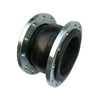
Juntas de desmontagem: simplificam a instalação e a manutenção de válvulas
Em sistemas de estações de bombeamento, as juntas de desmontagem são usadas principalmente para simplificar a instalação, remoção e manutenção de válvulas e equipamentos.
Grandes estações de bombeamento geralmente usam válvulas de grande diâmetro, como válvulas borboleta, válvulas de gaveta e válvulas de retenção. Esses componentes são pesados e muitas vezes instalados em espaços limitados. Sem espaço suficiente para ajuste, a substituição e a manutenção futuras das válvulas podem se tornar extremamente difíceis.
As juntas de desmontagem normalmente são instaladas próximas às válvulas. Por meio da capacidade de ajuste axial, elas podem:
- Compensar variações no comprimento de instalação
- Simplificar a remoção e substituição de válvulas
- Reduzir tensões de instalação na tubulação
- Reduzir o tempo de manutenção
Para sistemas de estações de bombeamento com válvulas de grande diâmetro, espaço de instalação limitado ou altos requisitos de manutenção, as juntas de desmontagem geralmente são recomendadas.

Arranjo típico de válvulas em estações de bombeamento

As válvulas são parte essencial de qualquer sistema de estação de bombeamento. Uma configuração correta não apenas protege os equipamentos de bombeamento e melhora a confiabilidade do sistema, mas também reduz dificuldades futuras de manutenção e custos operacionais.
Como as condições operacionais variam de um projeto de estação de bombeamento para outro, não existe uma combinação padrão de válvulas adequada para todas as aplicações. A seleção correta exige avaliação abrangente de fatores como diâmetro da tubulação, características do meio, variações de vazão, classe de pressão, espaço de instalação e requisitos de manutenção para determinar a solução de válvulas mais adequada.
Como fabricante profissional de válvulas, Union Valve fornece válvulas de retenção, válvulas borboleta, válvulas de gaveta, juntas de desmontagem e outros produtos para sistemas de água em uma ampla variedade de aplicações, incluindo abastecimento municipal, tratamento de água, estações de bombeamento e sistemas de tubulação industrial. Se tiver qualquer outra dúvida, fique à vontade para entrar em contato conosco.
Perguntas frequentes
As válvulas borboleta podem substituir válvulas de gaveta em todas as aplicações de estações de bombeamento?
As válvulas borboleta podem substituir válvulas de gaveta em muitas aplicações de isolamento de tubulações de grande diâmetro, mas não substituem totalmente as válvulas de gaveta, especialmente em sistemas que exigem passagem plena, vedação a longo prazo ou isolamento bidirecional rigoroso.
Toda estação de bombeamento precisa de uma junta de desmontagem?
Não necessariamente. As juntas de desmontagem são especialmente recomendadas para sistemas com válvulas de grande diâmetro, espaço de instalação limitado ou altos requisitos de manutenção, pois facilitam a instalação, remoção e substituição das válvulas.
Quais tipos de válvulas são comumente usados em estações de bombeamento?
As válvulas comumente usadas em estações de bombeamento incluem válvulas de retenção, válvulas borboleta, válvulas de gaveta e juntas de desmontagem.
- As válvulas de retenção impedem o fluxo reverso.
- As válvulas borboleta e as válvulas de gaveta são usadas para isolamento de tubulações.
- As juntas de desmontagem simplificam a instalação e a manutenção de válvulas.
Uma estação de bombeamento deve usar válvula de retenção portinhola ou de dupla portinhola?
A seleção depende de fatores como diâmetro da tubulação, espaço de instalação, condições de fluxo e requisitos de controle de golpe de aríete.
- As válvulas de retenção portinhola são comumente usadas em tubulações de grande diâmetro por causa da baixa perda de pressão, projeto comprovado e alta confiabilidade a longo prazo.
- As válvulas de retenção de dupla portinhola são mais adequadas para aplicações com espaço limitado ou onde é necessário fechamento rápido, especialmente em sistemas com ciclos frequentes de partida e parada de bombas.
Artigos relacionados:
- O que é uma válvula borboleta com sinal e como ela funciona?
- Válvulas borboleta em usinas hidrelétricas: funções e guia de seleção
- Válvulas borboleta marítimas: guia de seleção para sistemas navais
- Como selecionar válvulas borboleta para sistemas de água gelada
- Quais válvulas são usadas em sistemas de resfriamento HVAC
- Quais válvulas são usadas em sistemas de resfriamento de data centers de IA
- Escolhendo a válvula borboleta correta para dessalinização de água do mar
- Como escolher válvulas borboleta para proteção contra incêndio
- Como escolher uma válvula borboleta resistente a produtos químicos
- Seleção de válvulas para estações de bombeamento e plantas de tratamento de água