
 Português


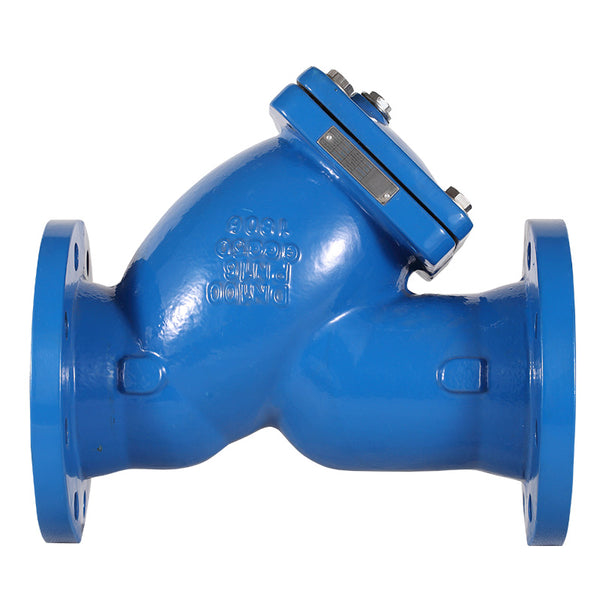
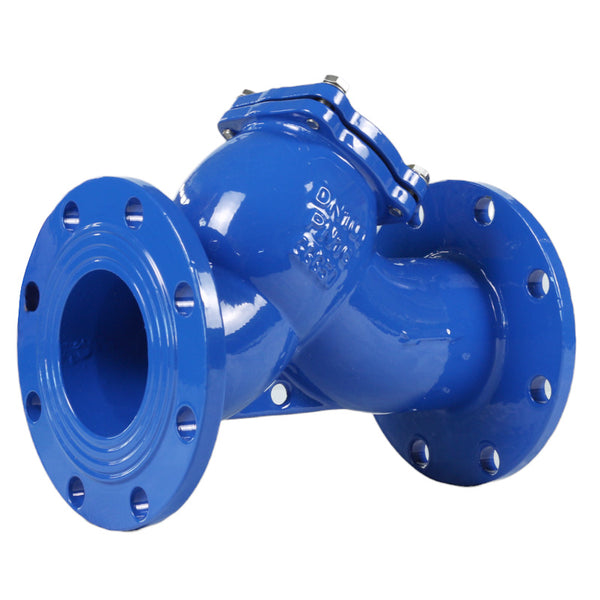
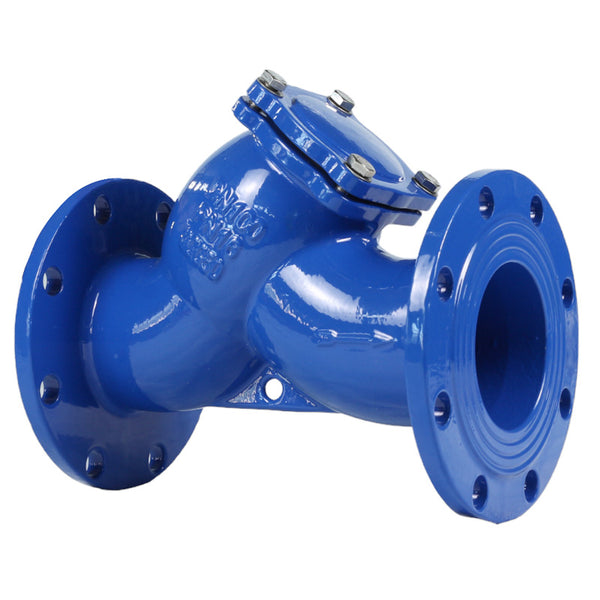
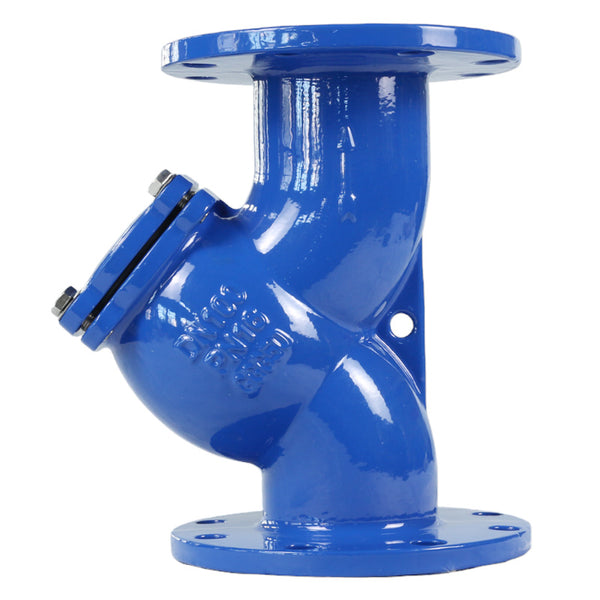

Filtro Y de ferro fundido nodular
Interested in high volume or commercial orders?Entre em contato today to request a quote and learn about our benefits!

Garantia da Qualidade
Temos uma equipe dedicada de controle de qualidade e equipamentos avançados de teste para garantir a qualidade consistente dos produtos.
Entrega no Prazo
Com fornecedores confiáveis de matérias-primas e processos de produção otimizados, garantimos entregas no prazo.
Excelente Serviço Pós-venda
Nossa equipe de especialistas em válvulas oferece suporte pós-venda impecável.
Certificações
Nossos produtos contam com até 10 certificações internacionais reconhecidas, garantindo conformidade com padrões globais.
PRODUCT DETAILS
Introdução ao Filtro Y
Y Strainer é um equipamento de filtração instalado em tubulações para reter partículas do fluido. Normalmente, o filtro Y é montado a montante de válvulas redutoras de pressão, válvulas de alívio, válvulas de controle de nível ou outros equipamentos, protegendo-os contra impurezas. Sua construção oferece baixa perda de carga e facilita a limpeza e a drenagem. Pode ser aplicado em água, óleo e gases, desde que o material do corpo, a tela e a abertura da malha sejam compatíveis com o processo. Como referência, redes de água podem utilizar telas de 18–30 mesh, gases de 10–100 mesh e óleo de 100–480 mesh; a seleção final deve considerar viscosidade, tamanho das partículas e perda de carga admissível.
Como componente de proteção do sistema de tubulação, o Y-Strainer retém detritos e sedimentos, contribuindo para o escoamento estável do fluido. Fabricado com materiais adequados ao serviço, ajuda a reduzir obstruções e danos a equipamentos a jusante. A instalação e a manutenção devem respeitar o sentido de fluxo, a posição da tampa e o espaço necessário para a retirada da tela.
Desenho do Filtro Y

Norma de Implementação
| Categoria | Detalhes |
|---|---|
| Tipo | Flange |
| Face a Face | API609, BS5155, DIN3202, ISO5752 |
| Flange | DIN, BS, UNI, ISO, ANSI, AS, JIS |
| Flange de Montagem | ISO5211 |
| Pressão de Trabalho | PN16 (200PSI) |
| Aplicação | HVAC, Abastecimento de Água e Esgoto, Alimentos e Bebidas, Química/Petroquímica/Processamento, Energia e Utilidades, Papel e Celulose, Construção Naval |
Materiais Padrão das Principais Peças
| Item | Nome da Peça | Material |
|---|---|---|
| 1 | Parafuso | CS |
| 2 | Bonete | DI |
| 3 | Assento | RUBBER |
| 4 | Tela | Ss304 |
| 5 | Corpo | DI |
Dimensões:(mm)
| DN | F1 | DIN PN16 | DIN PN10 | ||||
|---|---|---|---|---|---|---|---|
| L | D | D1 | n-Ød | D | D1 | n-Ød | |
| 50 | 230 | 165 | 125 | 4-19 | 165 | 125 | 4-19 |
| 65 | 290 | 185 | 145 | 4-19 | 185 | 145 | 4-19 |
| 80 | 310 | 200 | 160 | 8-19 | 200 | 160 | 8-19 |
| 100 | 350 | 220 | 180 | 8-19 | 220 | 180 | 8-19 |
| 125 | 400 | 250 | 210 | 8-19 | 250 | 210 | 8-19 |
| 150 | 480 | 285 | 240 | 8-23 | 285 | 240 | 8-23 |
| 200 | 600 | 340 | 295 | 12-23 | 340 | 295 | 8-23 |
| 250 | 730 | 405 | 355 | 12-28 | 395 | 350 | 12-23 |
| 300 | 850 | 460 | 410 | 12-28 | 445 | 400 | 12-23 |
| 350 | 980 | 520 | 470 | 16-28 | 505 | 460 | 16-23 |
| 400 | 1100 | 580 | 525 | 16-31 | 565 | 515 | 16-28 |
| 450 | 1200 | 640 | 585 | 20-31 | 615 | 565 | 20-28 |
| 500 | 1250 | 715 | 650 | 20-34 | 670 | 620 | 20-28 |
REVIEWS
Download
Perguntas frequentes
Para que serve um filtro Y?
Ele usa uma tela de malha ou chapa perfurada para reter partículas. O fluido atravessa o filtro, as impurezas ficam retidas na tela e o fluido limpo segue adiante.
Qual é a função de um filtro Y?
O filtro Y remove impurezas e contaminantes de sistemas de fluidos para proteger os equipamentos a jusante, como bombas, válvulas e tubulações, contra danos e desgaste, garantindo que o sistema funcione de forma eficiente e estável.
Qual é a diferença entre um filtro Y e um filtro T?
Os filtros Y e T retêm impurezas em sistemas de fluidos, mas têm projetos e aplicações diferentes. O filtro Y tem corpo em forma de Y, pode ser instalado em tubulações horizontais ou verticais, e as impurezas podem ser removidas com facilidade pela válvula de dreno (purga). É usado normalmente em aplicações de fluxo contínuo. O filtro T tem corpo em forma de T e maior área de filtragem, sendo adequado para aplicações com maior carga de impurezas. Costuma ser instalado em tubulações horizontais e exige mais espaço e esforço para limpeza do que o filtro Y.
Onde os filtros Y são normalmente usados?
Os filtros Y são usados em diversos setores, como tratamento de água, petróleo e gás, processos químicos e sistemas HVAC, para proteger bombas, válvulas e outros equipamentos.