 русский
Дисковый затвор vs задвижка: ключевые отличия и руководство по выбору
В промышленных трубопроводных системах дисковые затворы и задвижки являются одними из наиболее широко применяемых запорных клапанов. Несмотря на схожесть функций, различия в конструкции, гидравлических характеристиках и способах управления могут напрямую влиять на эффективность системы, требования к обслуживанию и её долгосрочную надежность.
В этой статье представлен системный сравнительный анализ дисковых затворов и задвижек с точки зрения принципа работы, эксплуатационных характеристик и областей применения. Цель — помочь читателям сформировать более четкий подход к выбору и принимать обоснованные, экономически эффективные решения в реальной инженерной практике.
Что такое дисковый затвор?
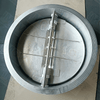
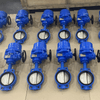
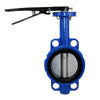
Дисковый затвор — это поворотный клапан четвертьоборота, который открывает или перекрывает поток за счет поворота круглого диска на 90° внутри трубопровода. Такая конструкция обеспечивает компактность, быстрое срабатывание и особенно хорошо подходит для трубопроводов большого диаметра.

Что такое задвижка?
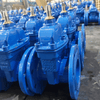
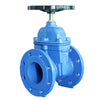
Задвижка — это клапан с поступательным движением запорного элемента, который открывает или перекрывает поток за счет подъема или опускания затвора вдоль седел. В полностью открытом положении затвор полностью выходит из проточной части, позволяя рабочей среде проходить практически по прямой линии. По этой причине задвижки обычно применяются в системах, где требуется полностью открытое или полностью закрытое положение, а не регулирование потока.

Дисковый затвор vs задвижка: принципиальное различие
Ключевое различие между дисковыми затворами и задвижками заключается в пространственном расположении запорного элемента относительно проточной части при открытом положении клапана. Именно эта конструктивная особенность во многом определяет различия в эксплуатационных характеристиках и областях применения.
- Дисковый затвор: диск постоянно находится в проточной части. Хотя такое решение может создавать некоторое гидравлическое сопротивление, оно обеспечивает более компактную конструкцию и меньший вес.
- Задвижка: в полностью открытом положении затвор полностью выходит из проточной зоны, позволяя рабочей среде проходить практически по прямой линии и тем самым эффективно снижая потери давления.
Дисковый затвор vs задвижка: ключевые эксплуатационные различия
1. Гидравлическое сопротивление и потери давления
Даже в полностью открытом положении диск остается в проточной части, что обычно приводит к определенным потерям давления. Однако в большинстве систем водоснабжения и промышленных трубопроводов это влияние, как правило, находится в допустимых пределах.
При открытии затвор полностью выходит из проточной зоны, что обеспечивает меньшее гидравлическое сопротивление. Эта особенность способствует снижению потерь давления и повышению общей эффективности транспортировки среды.
2. Масса и конструктивные особенности
- Дисковый затвор:
Благодаря компактной конструкции и меньшему расходу материалов дисковые затворы обычно легче задвижек аналогичного диаметра. Это преимущество особенно заметно в трубопроводах большого диаметра.
- Задвижка:
Поскольку корпус должен обеспечивать вертикальное перемещение затвора, конструкция получается более габаритной и тяжелой. В связи с этим при монтаже часто предъявляются более высокие требования к опорным элементам.

3. Монтажное пространство
- Дисковый затвор:
Благодаря небольшой строительной длине и меньшей общей высоте дисковые затворы требуют меньше места для установки. Они хорошо подходят для компактных компоновок оборудования или камер с ограниченным пространством.
- Задвижка:
Задвижки обычно имеют большую монтажную высоту, особенно в трубопроводах большого диаметра. Для их установки и эксплуатации необходимо заранее предусмотреть достаточный вертикальный зазор.
4. Скорость срабатывания и управление
- Дисковый затвор:
Конструкция с поворотом на четверть оборота обеспечивает меньший ход и более быстрое открытие и закрытие. Это делает дисковые затворы особенно подходящими для систем, где требуется частое управление.
- Задвижка:
Открытие и закрытие задвижки осуществляется за счет вертикального перемещения затвора, что приводит к более длинному рабочему ходу. Как правило, на это требуется больше времени, поэтому такие клапаны чаще применяются в системах с более редкой эксплуатацией.

5. Возможность регулирования потока
- Дисковый затвор:
В частично открытом положении дисковый затвор способен обеспечивать определенную степень регулирования потока. Однако длительная работа в режиме дросселирования может ускорить износ седла.
- Задвижка:
Задвижки лучше подходят для полностью открытого или полностью закрытого положения. Длительная эксплуатация в полуоткрытом состоянии может усилить эрозионное воздействие на уплотнительные поверхности, поэтому их обычно не используют для регулирования потока.
6. Герметичность и долговечность
- Дисковый затвор:
Дисковые затворы способны обеспечивать надежную герметичность, однако ее уровень во многом зависит от материала седла, конструктивных особенностей и качества изготовления. По этой причине характеристики герметичности могут различаться у разных изделий.
- Задвижка:
В полностью закрытом положении задвижки, как правило, обеспечивают стабильную герметичность и подходят для применений, где требуется надежное перекрытие потока. При этом предполагается использование относительно чистой рабочей среды, поскольку наличие твердых частиц может поцарапать или повредить уплотнительные поверхности.
Когда выбирать дисковый затвор или задвижку
В промышленных трубопроводных системах ни дисковые затворы, ни задвижки нельзя считать однозначно более предпочтительными. Ключевым фактором является соответствие характеристик клапана конкретным условиям эксплуатации.
Когда чаще выбирают дисковый затвор:
- Трубопроводы среднего и большого диаметра
- Ограниченное монтажное пространство
- Системы, требующие частого управления или быстрого срабатывания
- Более высокий уровень автоматизации
- Повышенное внимание к общей экономичности и удобству обслуживания
Когда чаще выбирают задвижку:
- Трубопроводы, чувствительные к потерям давления
- Применения, где клапан должен длительное время оставаться полностью открытым или полностью закрытым
- Критически важные участки, требующие надежной изоляции
- Низкая потребность в регулировании потока
- Условия с относительно достаточным монтажным пространством

С инженерной точки зрения ни дисковые затворы, ни задвижки не следует считать универсально лучшим решением. Ключевым фактором является то, насколько характеристики клапана соответствуют реальным условиям эксплуатации. Грамотный выбор на основе требований системы позволяет обеспечить стабильную и предсказуемую работу в долгосрочной перспективе.
Union Valve специализируется на проектировании и производстве дисковых затворов и задвижек, предлагая надежные решения для управления потоками в муниципальных и промышленных трубопроводных системах. Мы также помогаем в технической оценке проектов, подбирая наиболее подходящие типы клапанов с учетом конкретных условий применения. Если у вас возникнут дополнительные вопросы, пожалуйста, свяжитесь с нами..
FAQ
Если бюджет ограничен, всегда ли следует выбирать более доступный по цене дисковый затвор?
Не обязательно.
Хотя дисковые затворы обычно имеют более низкую первоначальную стоимость, при выборе клапана не стоит ориентироваться только на цену покупки. Важно учитывать эксплуатационную эффективность, требования к обслуживанию и совокупную стоимость жизненного цикла.
Если система чувствительна к потерям давления, требует длительной работы в полностью открытом положении или предъявляет повышенные требования к надежности изоляции, выбор дискового затвора исключительно из соображений стоимости может со временем привести к более высоким затратам на энергопотребление и обслуживание.
Если дисковые затворы также способны обеспечивать перекрытие потока, почему для критически важных изолирующих участков часто рекомендуются задвижки?
Критические точки изоляции требуют прежде всего уверенности в герметичном перекрытии и долгосрочной надежности. В закрытом положении задвижка формирует четкий металлический или поверхностный контакт уплотнения, благодаря чему состояние изоляции становится более предсказуемым. Это делает такие клапаны особенно подходящими для важных участков трубопровода, которые длительное время находятся в полностью открытом или полностью закрытом положении.
Дисковые затворы также способны обеспечивать эффективное перекрытие потока, однако их герметичность в большей степени зависит от конструктивных особенностей, материалов седла и соответствия условиям эксплуатации. В зонах с повышенными требованиями к безопасности инженерная практика часто отдает предпочтение решениям с более контролируемыми эксплуатационными рисками.
Похожие статьи:
- Дисковый затвор vs шаровой кран: ключевые различия и как выбрать
- Шиберная задвижка vs задвижка: в чем разница
- Типы задвижек и их выбор: подробное руководство
- Задвижка и обратный клапан: наглядное руководство по сравнению


-
Опубликовано в
Butterfly Valve, Gate Valve, Valve Comparison, Valve Selection