 English
Gate Valve vs Butterfly Valve: Differences & Selection
Gate valve vs butterfly valve selection mainly depends on pipe size, installation space, flow path, operating speed and shut-off requirements. Gate valves provide a straight-through flow path when fully open, while butterfly valves are lighter, faster to operate and usually more compact in large diameters. The comparison below covers structure, pressure loss, sealing, maintenance and typical applications.
This article provides a systematic comparison of butterfly and gate valves from the perspectives of working principles, performance, and application scenarios. The goal is to help readers develop a clearer selection approach and make sound, cost-effective decisions in real engineering practice.
What Is a Butterfly Valve?
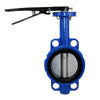
A butterfly valve is a quarter-turn valve that opens or closes by rotating a circular disc 90 degrees within the pipeline. This design results in a compact structure, quick operation, and strong suitability for large-diameter piping systems.

What Is a Gate Valve?
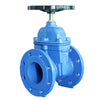
A gate valve is a linear-motion valve that operates by raising or lowering a gate along the valve seats to start or stop flow. When fully open, the gate is completely withdrawn from the flow path, allowing the medium to pass through in a near-straight line. For this reason, gate valves are commonly used in systems that require full open or full shut positions rather than flow regulation.

Butterfly Valve vs Gate Valve: Fundamental Difference
The most fundamental distinction between butterfly valves and gate valves lies in the spatial relationship between the closing element and the flow path when the valve is open. This structural difference is the primary source of nearly all variations in performance and application.
- Butterfly Valve: The disc remains within the flow path at all times. While this design may introduce some flow resistance, it also allows for a more compact structure and reduced weight.
- Gate Valve: When fully open, the gate is completely withdrawn from the flow path, enabling the medium to pass through in a near-straight line and effectively minimizing pressure loss.
Butterfly Valve vs Gate Valve: Key Performance Comparison
1. Flow Resistance and Pressure Loss
Even when fully open, the disc remains within the flow path, which typically results in some degree of pressure loss. However, in most water supply and industrial systems, this impact is generally within an acceptable range.
When opened, the gate is completely withdrawn from the flow path, resulting in lower flow resistance. This characteristic is advantageous for reducing pressure loss and improving overall flow efficiency.
2. Structural Weight
- Butterfly Valve:
With a compact design and lower material usage, butterfly valves are typically lighter than gate valves of the same size. This advantage becomes particularly noticeable in large-diameter applications.
- Gate Valve:
Because the valve body must accommodate the vertical travel of the gate, the overall structure is larger and heavier. As a result, higher support requirements are often necessary during installation.

3. Installation Space
- Butterfly Valve:
With a short face-to-face dimension and lower overall height, butterfly valves require less installation space. They are well suited for compact equipment layouts or valve chambers with limited space.
- Gate Valve:
Gate valves typically have greater overall height, especially in large-diameter applications. Adequate vertical clearance must be reserved to accommodate installation and operation.
4. Operating Speed and Actuation
- Butterfly Valve:
Its quarter-turn design results in a shorter operating stroke and faster opening and closing. This makes butterfly valves particularly suitable for systems that require frequent operation.
- Gate Valve:
Gate valves rely on the vertical movement of the gate to open and close, resulting in a longer operating stroke. Opening and closing generally take more time, and they are typically used in applications with lower operating frequency.

5. Flow Control Capability
- Butterfly Valve:
When partially open, a butterfly valve can provide a certain degree of flow control. However, prolonged throttling may accelerate seat wear.
- Gate Valve:
Gate valves are better suited for fully open or fully closed conditions. Operating them in a partially open position for extended periods may increase erosion on the sealing surfaces, which is why they are generally not used for flow regulation.
6. Sealing Performance and Durability
- Butterfly Valve:
Butterfly valves can achieve reliable sealing, but performance depends largely on seat materials, structural design, and manufacturing quality. As a result, sealing capability may vary between products.
- Gate Valve:
When fully closed, gate valves typically provide stable sealing and are well suited for applications that require tight shut-off. This performance assumes relatively clean media, as fluids containing solid particles may scratch or damage the sealing surfaces.
When to Choose a Butterfly Valve vs a Gate Valve
In industrial pipeline systems, neither butterfly valves nor gate valves are inherently superior. The key consideration is whether the valve aligns with the specific demands of the operating conditions.
Situations Where a Butterfly Valve Is Often Preferred:
- Medium- to large-diameter pipelines
- Limited installation space
- Systems requiring frequent operation or quick response
- Higher levels of automation
- Greater emphasis on overall cost efficiency and ease of maintenance
Situations Where a Gate Valve Is Often Preferred:
- Pipelines sensitive to pressure loss
- Applications that require the valve to remain fully open or fully closed for extended periods
- Critical pipeline sections where reliable isolation is essential
- Minimal need for flow regulation
- Installations with relatively sufficient space

From an engineering perspective, neither butterfly valves nor gate valves should be viewed as universally superior. The key lies in whether the valve’s characteristics align with the actual operating conditions. A well-informed selection based on system requirements is essential for achieving stable, predictable performance over the long term.
Union Valve specializes in the design and manufacture of butterfly and gate valves, providing reliable flow control solutions for municipal and industrial pipeline systems. We also support project evaluations by helping identify valve options that best match specific application needs. If you have any questions, please feel free to contact us.
FAQ
If the budget is limited, should a lower-cost butterfly valve always be selected?
Not necessarily.
While butterfly valves typically offer a lower initial purchase cost, valve selection should not focus solely on upfront pricing. Operating efficiency, maintenance requirements, and lifecycle cost should all be considered.
If the system is sensitive to pressure loss, requires long-term full-open operation, or demands highly reliable isolation, choosing a butterfly valve based on price alone may lead to higher energy consumption and maintenance expenses over time.
If butterfly valves can also provide shut-off, why are gate valves often recommended for critical isolation points?
Critical isolation points place greater emphasis on certainty of isolation and long-term reliability. When closed, a gate valve forms a clear metal or surface contact seal, making the isolation status more predictable and suitable for important pipeline sections that remain fully open or fully closed.
Butterfly valves can also achieve effective shut-off, but their sealing performance depends more heavily on structural design, seat materials, and alignment with operating conditions. In locations with higher safety requirements, engineering practice often favors solutions with more controllable operational risk.
Related Articles:


-
Posted in
Butterfly Valve, Gate Valve, Valve Comparison, Valve Selection