 English
Gate Valve Testing Procedure: Shell Test, Seat Test & Inspection
Gate valves control on-off flow in water supply, wastewater treatment, HVAC, and industrial piping systems. Before shipment, manufacturers test the pressure boundary and seat sealing to confirm that each valve can withstand its specified pressure and seal as required when closed.
The main factory checks are the shell test, seat test, and final inspection. Together, they cover pressure integrity, seat leakage, dimensions, markings, operation, and documentation.
1. Why Gate Valve Testing Is Important
Factory testing checks four areas:
- Pressure Integrity: Check pressure-containing components, including the valve body and bonnet.
- Seat Sealing: Check for leakage between the gate and the valve seats.
- Manufacturing Defects: Look for casting, machining, or assembly defects.
- Compliance: Confirm that the valve meets the applicable test standard and project specification.
For water supply and wastewater treatment projects, factory testing helps reduce the risk of leakage during operation and the need for future maintenance.
UNION VALVE pressure-tests and inspects gate valves before shipment against the specified technical requirements.

2. Gate Valve Shell Test (Pressure Strength Test)
2.1 What Is a Shell Test?
A shell test checks the integrity and external tightness of a gate valve's pressure-containing parts under the specified test pressure.
The test mainly checks the following components:
- Valve Body
- Bonnet
- Body-Bonnet Connection
- Other pressure-containing and external sealing areas
Water is the usual shell-test medium. The valve is pressurized to the specified test pressure and checked for external leakage or abnormal deformation.
2.2 Gate Valve Shell Test Procedure
The shell test follows five basic steps:
-
Step 1: Fill the Valve with the Test Medium
Fill the valve with clean water, ensuring that no air remains trapped inside the test chamber. -
Step 2: Remove Trapped Air
Vent the remaining air so it does not distort the result and the test pressure acts evenly on the valve's internal surfaces. -
Step 3: Apply the Test Pressure
Gradually increase the pressure to the specified test value according to the valve's design pressure and applicable testing standards. -
Step 4: Maintain the Test Pressure
Hold the specified test pressure for the required duration while checking for:
Leakage
Pressure drops
Abnormal deformation -
Step 5: Inspect the Test Results
Inspect the valve body, bonnet, and their connections for leakage or structural abnormalities. The valve passes the shell test when it meets the specified acceptance criteria.
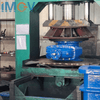
Gate Valve Shell Test
2.3 Typical Gate Valve Shell Test Pressure
Shell test pressure is typically higher than the valve's rated working pressure. The actual test pressure depends on the applicable testing standards and project requirements.
|
Pressure Rating |
Typical Shell Test Pressure |
|
PN10 |
15 bar |
|
PN16 |
24 bar |
|
Class 150 |
As specified by the applicable standard |
The values above are for reference only and apply under specific test conditions.
Note: API 598, EN 12266-1, and ISO 5208 may specify different test pressures and holding times. Use the applicable standard and customer specification for the actual test.
3. Gate Valve Seat Test (Leakage Test)
A seat test checks for leakage between the gate and valve seats when the gate valve is closed.
The seat test may use water or air, depending on the applicable standard and project requirements. The result shows whether the valve meets the specified sealing requirements.
3.1 Low Pressure Air Test
Low-pressure air testing can reveal small sealing defects.Apply low-pressure air inside the valve, then check for bubbles or a pressure change that indicates leakage.
This test mainly helps identify:
- Small leaks
- Sealing surface defects
- Assembly issues
Air and water tests use different leak-detection methods, so their acceptance criteria may also differ.
The applicable standard and customer specification determine whether a low-pressure air test is required. Some gate valves do not require it.
3.2 High Pressure Water Test
High-pressure water testing checks the sealing performance of the gate and valve seats.
During the test, the valve is closed, and water pressure is applied according to the applicable testing standards to check for leakage at the valve seats.
The basic procedure includes:
- Install the gate valve on the testing equipment and close it.
- Fill the specified test side with water and remove any trapped air.
- Gradually increase the pressure to the specified test value.
- Maintain the test pressure for the required duration.
- Check for seat leakage and determine whether the valve meets the acceptance criteria.
Gate Valve Seat Test
4. Final Inspection Before Shipment
After pressure testing, inspect each gate valve against the technical specification and customer requirements before shipment.
4.1 Visual and Marking Inspection
Check the valve surface, coating, and markings for:
- No visible casting defects
- The coating meets the specified requirements
- Valve size, pressure rating, and material markings are correct
4.2 Dimension Inspection
Dimensional inspection covers:
- Face-to-Face Dimension
- Flange Drilling Dimensions
- Overall Valve Dimensions
Dimensional inspection is especially important for valve replacement projects, as mismatched dimensions can cause installation problems on site.
4.3 Material and Document Verification
Required material documents may include:
- Material Certificates
- Chemical Composition and Mechanical Property Reports
- EN 10204 3.1 Inspection Certificates
4.4 Operation Test
The operation test checks:
- Smooth opening and closing
- Proper operation of the handwheel or gearbox
- Valve operation meets the specified requirements

5. Frequently Asked Questions About Gate Valve Testing (FAQ)
Q1: What is the difference between a shell test and a seat test?
A shell test checks the integrity and external tightness of the valve body, bonnet, and other pressure-containing components.
A seat test verifies the valve's internal sealing performance when it is closed.
These tests serve different purposes and cannot replace each other.
Q2: What is the test pressure for a PN16 gate valve?
When the shell test is performed at 1.5 times the rated pressure and the seat test at 1.1 times the rated pressure, the typical test pressures for a PN16 gate valve are:
- Shell Test: 24 bar
- Seat Test: 17.6 bar
The actual test pressures depend on the applicable testing standards, valve design, and project requirements.
For water supply, wastewater treatment, HVAC, and industrial piping projects, buyers need to check the valve material, pressure rating, connection dimensions, test standard, and acceptance criteria.
UNION VALVE manufactures resilient seated and metal seated gate valves in China. Final inspections follow the product specification and project requirements.
For gate valve specifications, drawings, or a quotation, contact UNION VALVE with your piping or distribution requirements.
If you're looking for a reliable gate valve supplier for your piping projects or distribution business, contact UNION VALVE for technical specifications, drawings, and quotations.
Related Articles: