 English
What Valves Are Used in AI Data Center Cooling Systems
With the development of artificial intelligence, the computing density of data centers continues to increase. High-performance devices, centered on GPUs, generate a large amount of heat during operation, making cooling a critical factor that directly affects stable operation rather than just an auxiliary system.
To address this, more and more data centers are adopting chilled water systems and liquid cooling technologies to achieve more efficient temperature control. Essentially, these cooling systems rely on the circulation of a cooling medium through pipelines and can therefore be considered typical fluid systems.
To ensure stable operation, a well-designed piping system is necessary, but the cooperation of key components is equally important. Among these, valves play a crucial role in flow control, system isolation, and operational safety, making them a fundamental part of any cooling system.
Types of Cooling Systems
In AI data centers, common cooling methods mainly include two types:
- Chilled water systems: Typically used for overall data hall cooling.
- Liquid cooling systems: More often used for direct cooling of high-density servers.
Although the forms differ, both types of systems fundamentally rely on the circulation of a cooling medium through pipelines. Therefore, stable fluid delivery and control are key to system operation, and they place basic requirements on valve applications.
The Role of Valves in Cooling Systems
Data center cooling systems depend on the stable flow of cooling medium through pipelines. Any fluctuation in flow or uneven distribution can directly affect equipment cooling performance and may even pose operational risks. Therefore, the ability to control the fluid is critical to ensuring stable system operation.
In this process, valves play an important role in:
- Flow regulation
- System isolation
- Preventing backflow of the medium
Without these key control points, the system becomes difficult to regulate precisely and faces higher operational risks and maintenance challenges during equipment servicing or abnormal conditions.

Application of Butterfly Valves in Data Center Cooling Systems
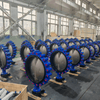
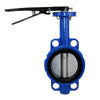
In data center cooling systems, butterfly valves are mainly used in critical locations such as chilled water mains, cooling tower connection lines, and pump station systems. These pipelines are typically large in diameter, which places higher demands on the valve’s design and cost-effectiveness.
Compared with other valve types, butterfly valves have clear advantages in large-diameter applications:
- Compact structure and lighter weight: More cost-effective in pipelines with DN200 and above.
- Fast opening and closing, easy operation: Capable of meeting the cooling system’s requirements for flow control and rapid response.
In practical engineering, the chilled water mains of large data centers often need to balance flow stability and system efficiency. With its overall performance in large-diameter pipelines, the butterfly valve has become a common and reliable choice in such scenarios.

Application of Gate Valves in System Isolation
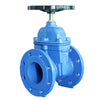
In data center cooling systems, gate valves are mainly used in system isolation locations, such as equipment maintenance sections, zoned pipelines, and some underground pipelines. Their core function is to achieve reliable full shut-off during maintenance or local downtime, preventing disruption to the operation of the entire system.
Structurally, gate valves feature a full-bore design, resulting in low flow resistance and helping to reduce system pressure loss. At the same time, their sealing performance is stable, providing a reliable shut-off when closed.
Therefore, gate valves are typically applied in locations with low operating frequency but high sealing reliability requirements, making them an important type of isolation valve in cooling systems.

Application of Check Valves in System Protection
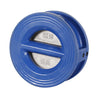
In data center cooling systems, check valves are typically installed at key locations such as pump outlets and return pipelines. Their primary function is to prevent backflow of the cooling medium during system operation or shutdown, ensuring stable flow direction within the piping.
At the same time, check valves can help mitigate water hammer to some extent, reducing the risk of damage to pumps and related equipment.
In chilled water systems, check valves play an important role in preventing backflow and protecting the safe operation of pump units, making them a key component for ensuring long-term, stable system operation.

Key Considerations for Valve Selection
In data center cooling systems, valve selection not only affects local control performance but also impacts the long-term stable operation of the entire system. Therefore, multiple key factors need to be considered during the selection process.
- Sealing performance: Since data centers have high operational requirements, valves must provide good leak-tightness to reduce potential risks.
- Reliability: Cooling systems typically require continuous long-term operation, so valves must offer stable performance with low failure rates.
- Material compatibility: Valve materials should be compatible with the cooling medium to ensure no corrosion or performance degradation occurs during long-term use.
- Actuator compatibility: With increasing levels of automation, compatibility with electric or pneumatic actuators is becoming increasingly important to meet system regulation and remote control requirements.
As AI computing power grows, data centers are becoming more dense, and cooling needs are increasing. The stability of cooling systems is now a key factor for the reliability of the entire infrastructure.
In this situation, piping systems and their components become even more important. Using the right valves helps control the system better and ensures safe operation, meeting the needs of high-density data centers.
Choosing the right valves and configuring them properly is essential for the stable operation of data center cooling systems. Using the appropriate valve type, material, and actuation method helps control flow, isolate systems, and prevent backflow, ensuring equipment works reliably and the system stays stable.
Union Valve provides industrial valves suitable for water treatment systems. With our experience in design and selection, we offer reliable valve solutions that help projects run safely and smoothly.If you have any further questions, please contact us.
Related Articles:
- Why Water Valves Corrode: Common Issues and Material Choices in Water Systems
- Valve Selection for Pump Stations and Water Treatment Plants
- Choosing the Right Butterfly Valve for Seawater Desalination
- Choosing the Right Valves for Efficient Water Supply Systems


-
Posted in
Cooling System, Data Center Cooling, Valve Selection