 English
How to Choose Valves for Irrigation Systems
In irrigation systems, valves are not just used to open or shut off flow—they directly affect water delivery efficiency, system stability, and long-term maintenance costs.
Unlike standard water supply systems, medium to large-scale irrigation projects often involve long-distance pipelines, large diameters, and frequent pump start-stop cycles. These real operating conditions mean that valve selection cannot rely on basic parameters alone, but must take the overall system behavior into account.
This article looks at typical irrigation system conditions and explains where different types of valves are used in practice, along with the logic behind their selection.

Key Characteristics of Irrigation Systems
The primary task of an irrigation system is to deliver large volumes of water steadily to different areas. In real projects, irrigation systems often involve long-distance transmission, multi-zone distribution, and frequent operational changes—all of which directly influence valve selection.
For this reason, it’s important to first understand the typical operating conditions before choosing the right valves.
1.Large Diameter, Long-Distance Pipeline Networks
In most irrigation projects—especially main transmission lines—large-diameter pipes (typically DN200 and above) are used to transport water from the source to farmland or distribution points. These pipelines are often quite long, placing higher demands on system stability and flow efficiency.
Under these conditions, valves need to offer:
- Low flow resistance
- Good flow capacity
- Stable performance even at large diameters
2.Frequent Pump Start/Stop and Flow Fluctuations
Irrigation systems are usually operated based on water demand, which means pumps often start and stop frequently. This leads to continuous changes in flow velocity and pressure within the pipeline, creating noticeable operating fluctuations and increasing the likelihood of:
- Flow reversal
- Pressure surges (water hammer)
These issues are especially critical at the pump discharge, where they tend to be most pronounced.
3.Changing Water Demand Across Zones
Irrigation systems often cover multiple areas or fields, where water demand can vary significantly from one zone to another. It also changes over time due to irrigation schedules and seasonal conditions. This requires the system to have:
- Flexible flow regulation
- Reliable zone control
- Effective isolation when needed
4.Challenging Outdoor Operating Conditions
Unlike indoor piping systems, irrigation networks are typically exposed to outdoor environments for long periods. They must handle dust, moisture, and temperature variations, while the water itself may contain sand or other impurities.
As a result, valves need to offer more than just basic functionality. They should also provide:
- Good corrosion resistance
- A robust structure suitable for long-term operation
- Low maintenance requirements
5.High Requirements for Cost and Maintenance Efficiency
Irrigation projects—especially in agriculture and public water infrastructure—are often cost-sensitive while still requiring long-term reliability. In practice, this leads to a preference for:
- Valves that are cost-effective at larger diameters
- Simple and reliable designs
- Solutions that are easy to maintain and offer long service life
What These Conditions Require from Valves
Based on the characteristics of irrigation systems—such as large-diameter transmission, pump station operation, and multi-zone water distribution—valve selection should focus on the following key aspects:
- Suitable for large-diameter pipelines, with good flow capacity and low flow resistance
- Ability to prevent backflow and reduce water hammer, especially at the pump discharge
- Reliable shut-off performance to support zone control and maintenance
- Easy operation for on-site installation and use
- Durable construction, suitable for long-term outdoor conditions
Valve Types That Match Irrigation System Needs
Large-Diameter Transmission and Flow Control — Butterfly Valves
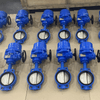
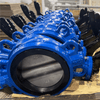
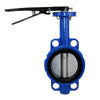
In irrigation main pipelines, large-diameter pipes serve as the primary channels for water delivery. Butterfly valves, with their compact structure and ease of operation, offer a clear cost advantage at larger sizes and are well suited for flow control in these applications.

Zone Control and Reliable Shut-Off — Gate Valves
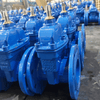
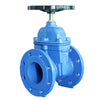
In irrigation systems, certain pipeline sections require independent control or isolation for maintenance. In these cases, a complete shut-off of flow is necessary. Gate valves achieve this through the vertical movement of the gate, providing effective isolation and making them suitable for applications that require long-term shut-off or maintenance operations.

Backflow Prevention and Water Hammer Reduction — Check Valves
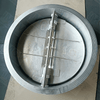
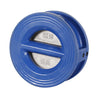
In pump station systems, frequent pump start and stop cycles lead to changes in flow conditions, which can result in backflow and water hammer. Check valves play a critical role here by automatically opening and closing based on pressure differences in the fluid, effectively preventing reverse flow and protecting pumps and pipelines from water hammer impact.

Valve Material Selection Recommendations
Irrigation systems operate outdoors for long periods, and the conveyed water may contain sand, fertilizer residues, or mildly corrosive substances. As a result, valve material selection needs to balance corrosion resistance, wear resistance, and cost.
Common material choices are as follows:
|
Component |
Recommended Materials |
Selection Reason |
|
Body |
Ductile iron (epoxy coated), stainless steel 304, UPVC |
High strength and corrosion resistance, suitable for different budgets and water quality conditions |
|
Disc |
Stainless steel, nylon-coated ductile iron, aluminum bronze (optional) |
Good wear resistance and corrosion protection, suitable for water with impurities |
|
Seat |
EPDM, NBR |
Resistant to aging and ozone, adaptable to outdoor temperature variations |
|
Fasteners |
Stainless steel |
Prevents corrosion and allows easier maintenance and disassembly |
FAQ
1.What Types of Valves Are Commonly Used in Irrigation Systems?
In medium to large irrigation systems, the most commonly used valves include:
- Butterfly valves, used for flow control and shut-off in large-diameter pipelines
- Check valves, used to prevent backflow and protect pumps
- Gate valves, used for zone control and maintenance isolation
In practice, different types of valves are often used together to meet overall system requirements.
2.What Materials Are Typically Used for Irrigation Valves?
Common configurations include:
- Body: ductile iron with epoxy coating
- Internal parts: stainless steel or aluminum bronze
- Sealing: EPDM
This combination provides a good balance between corrosion resistance, durability, and cost, making it suitable for most irrigation applications.
3.What Should Be Prioritized When Selecting Valves?
In irrigation projects, valve selection should primarily consider:
- Pipe size
- Pump operating conditions
- Water quality
- System operating environment
In practice, there is no one-size-fits-all solution for valve selection in irrigation systems. The key is to match the functions of different valve types to the actual operating conditions.
Union Valve focuses on the application of butterfly valves, check valves, and gate valves in water infrastructure and transmission systems, providing reliable products and practical selection support for irrigation projects.
If you have a specific project requirement, we’re available to discuss your conditions and support you with the right solution.You can contact us at any time.
Related Articles:
- How to Select Butterfly Valves for Chilled Water Systems
- What Valves Are Used in HVAC Cooling Systems
- What Valves Are Used in AI Data Center Cooling Systems
- Valve Selection for Pump Stations and Water Treatment Plants
- Choosing the Right Butterfly Valve for Seawater Desalination


-
Posted in
Irrigation, Valve Selection, Water System