 English
Valve Standards Explained: Design, Flange, Face-to-Face & Testing
Valve standards define the requirements for valve design, dimensions, materials, pressure ratings, inspection and testing.
For valve buyers, engineers and distributors, understanding valve standards is important because different standards may affect:
- valve design
- flange compatibility
- face-to-face dimensions
- pressure rating
- testing requirements
- replacement compatibility
Common valve standards are developed by organizations such as API, ASME, EN and ISO. The correct standard depends on valve type, application, pressure class and project requirements.
This guide explains the most commonly used valve standards and how to select the right one for your application.
What Are Valve Standards?
Valve standards are technical specifications that define how valves should be designed, manufactured and tested.
A valve standard usually covers:
- Design requirements
- Materials
- Pressure-temperature ratings
- Dimensions
- Flange connections
- Face-to-face dimensions
- Inspection requirements
- Pressure testing procedures
- Marking requirements
Different industries may use different standards.
For example:
- Water supply projects commonly use EN and ISO standards.
- Industrial projects often refer to API and ASME standards.
- International projects may combine multiple standards together.
Main Valve Standards Organizations
The most commonly referenced valve standards come from:
| Organization | Common Application |
|---|---|
| API (American Petroleum Institute) | Oil & gas and industrial applications |
| ASME | Pressure piping, flange and dimensional standards |
| EN (European Standard) | European and international water/industrial projects |
| ISO | International valve standards |
| JIS | Japanese industrial applications |
A valve may need to comply with several standards at the same time.
For example:
A butterfly valve may require:
- Design standard: API 609 or EN 593
- Face-to-face standard: EN 558 or API 609
- Flange standard: EN 1092-1 or ASME B16.5
- Testing standard: API 598 or EN 12266-1
Common Valve Standards by Valve Type
Different valve types normally follow different design standards.
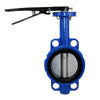
Butterfly Valve Standards
Butterfly valves are commonly designed according to:
API 609
API 609 is widely used for industrial butterfly valves.
It covers:
- valve design
- pressure rating
- dimensions
- inspection
- testing requirements
API 609 is commonly used in API/ASME-based industrial systems.
Typical applications:
- chemical industry
- power plants
- industrial pipelines
EN 593
EN 593 is a common European standard for metallic butterfly valves.
It covers:
- design requirements
- materials
- pressure ratings
- performance requirements
EN 593 is often used together with:
- EN 558 for face-to-face dimensions
- EN 1092 for flange connections
- EN 12266-1 for testing
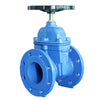
Gate Valve Standards
Common gate valve standards include:
API 600
Used mainly for steel gate valves in industrial applications.
Typical industries:
- oil and gas
- petrochemical
- process pipelines
EN 1171
Commonly used for industrial gate valves.
Applications:
- water systems
- industrial pipelines
EN 1074
Used for valves in water supply applications.
It focuses on:
- functional requirements
- pressure resistance
- sealing performance
Check Valve Standards
Common standards include:
API 594
Used for:
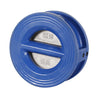
- dual plate check valves
- wafer check valves
EN 12334
Commonly used for cast iron check valves.
Applications:
- water supply
- wastewater
- HVAC systems
Valve Flange Standards
Valve flange standards define connection dimensions between valves and pipelines.
The most common flange standards include:
ASME B16.5
Commonly used for ANSI Class systems:
- Class 150
- Class 300
- Class 600
Applications:
- North American projects
- industrial pipelines
EN 1092-1
European flange standard covering:
- flange dimensions
- pressure ratings
- drilling patterns
Common pressure ratings:
- PN10
- PN16
- PN25
- PN40
JIS B2220
Used mainly in Japan and some Asian markets.
Common ratings:
- JIS 5K
- JIS 10K
- JIS 16K

Valve Face-to-Face Dimension Standards
Face-to-face dimension is the installed length of a valve between connection points.
It is especially important for:
- replacement projects
- existing pipeline systems
- valve interchangeability
Common standards:
EN 558
EN 558 defines face-to-face and center-to-face dimensions for industrial valves.
Commonly used for:
- butterfly valves
- gate valves
- check valves
ISO 5752
ISO 5752 provides international dimensional requirements for valves installed in flanged piping systems.
ASME B16.10
ASME B16.10 defines face-to-face and end-to-end dimensions for valves used in ASME systems.

Valve Testing Standards
Valve testing confirms pressure resistance and sealing performance before shipment.
Common testing standards include:
API 598
API 598 specifies valve inspection and pressure testing requirements.
Typical tests include:
- shell test
- seat leakage test
- backseat test (when applicable)
ISO 5208
ISO 5208 covers:
- pressure testing
- leakage testing
- acceptance criteria
EN 12266-1
EN 12266-1 is commonly used for industrial valve testing in European projects.
It covers:
- shell strength testing
- seat leakage testing
API vs EN Valve Standards: What Is the Difference?
A common question from valve buyers is:
Should I choose API or EN standards?
The answer depends on the project system.
| API Standards | EN Standards | |
|---|---|---|
| Common Region | Global industrial / North America | Europe and international projects |
| Pressure System | Class ratings | PN ratings |
| Typical Examples | API 609, API 598 | EN 593, EN 558, EN 12266-1 |
| Application | Oil & gas, industrial | Water supply, HVAC, industrial |
Neither system is universally better.
The correct choice depends on:
- pipeline design
- flange standard
- pressure rating
- project specification
API vs EN Valve Standards: What Is the Difference?
A common question from valve buyers is:
Should I choose API or EN standards?
The answer depends on the project system.
| API Standards | EN Standards | |
|---|---|---|
| Common Region | Global industrial / North America | Europe and international projects |
| Pressure System | Class ratings | PN ratings |
| Typical Examples | API 609, API 598 | EN 593, EN 558, EN 12266-1 |
| Application | Oil & gas, industrial | Water supply, HVAC, industrial |
Neither system is universally better.
The correct choice depends on:
- pipeline design
- flange standard
- pressure rating
- project specification

How to Choose the Right Valve Standard?
Before ordering valves, buyers should confirm:
1. Valve Type
Example:
- Butterfly valve → API 609 / EN 593
- Gate valve → API 600 / EN 1171
- Check valve → API 594 / EN 12334
2. Application
Examples:
Water supply:
- EN standards
- ISO standards
Industrial process:
- API standards
- ASME standards
3. Connection Requirements
Confirm:
- flange standard
- drilling pattern
- face-to-face dimension
4. Testing Requirements
Confirm:
- API 598
- ISO 5208
- EN 12266-1
Why Valve Standards Matter
Selecting the correct valve standard helps:
-
Ensure Installation Compatibility
Correct flange and face-to-face dimensions reduce installation problems. -
Improve Valve Reliability
Standardized design and testing requirements improve product consistency. -
Simplify Replacement
Matching standards makes valve replacement easier without modifying existing pipelines.
Conclusion
Valve standards define the design, dimensions, connections and testing requirements of industrial valves.
The most common valve standards include:
- API
- ASME
- EN
- ISO
- JIS
When selecting a valve, the correct standard depends on:
- valve type
- application
- pressure rating
- connection requirements
- project specifications
UNION VALVE supplies butterfly valves, gate valves, check valves and other industrial valves according to international standards for water supply, HVAC and industrial applications.
If you need help selecting the correct valve standard, please provide valve type, size, pressure rating, application and project requirements.
Related Articles:
- API 600 vs API 602: Valve Standards and Differences
- Understanding 6 Common Flange Types in Piping Systems
- Valve Connection Types: 8 End Connections & How to Choose
- How to read butterfly valve specifications for your needs
- Valve Symbols for P&ID: Butterfly, Check, Gate, and Ball Valve Symbols